
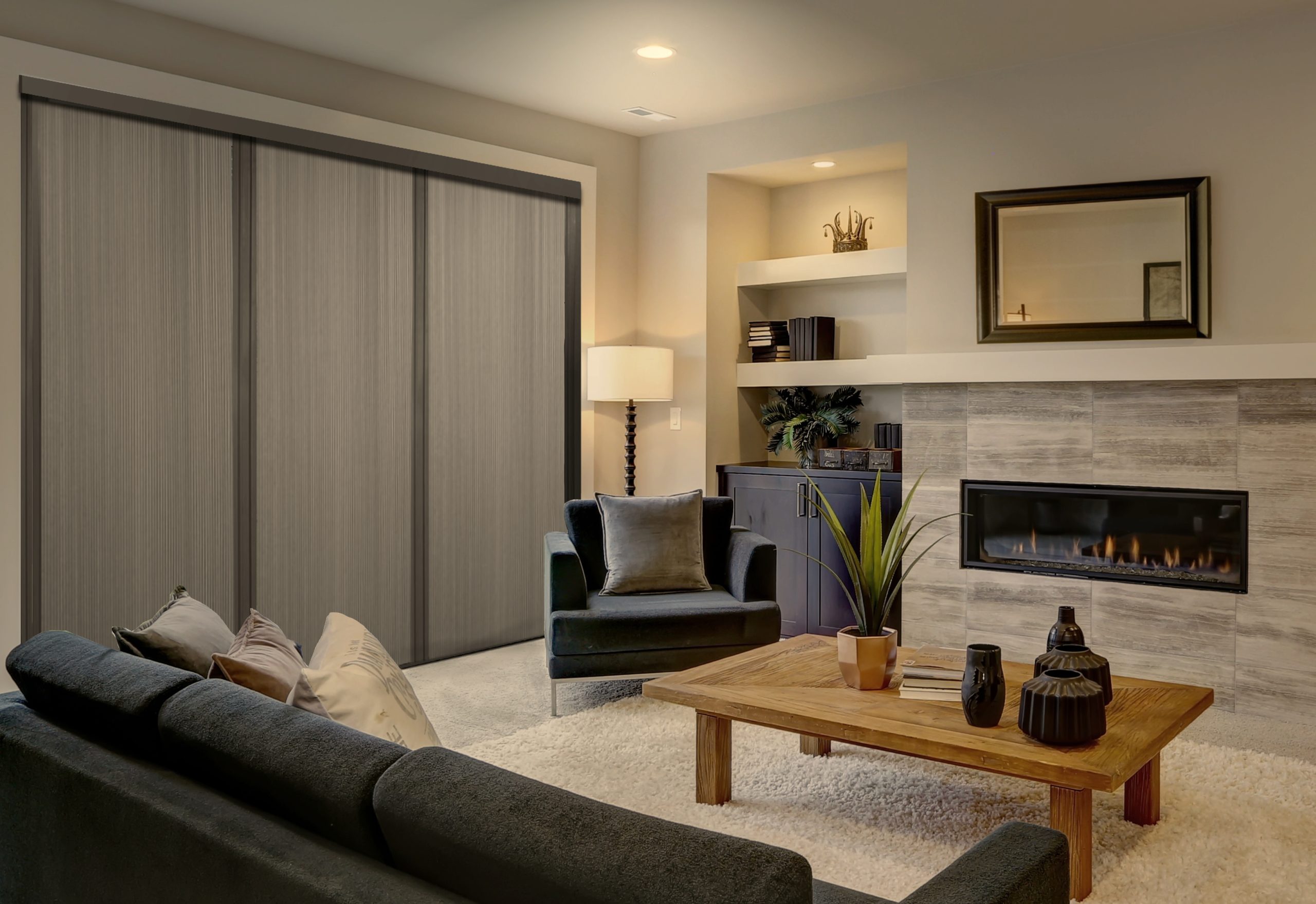
Blackout blinds are normally associated with dark bedrooms and better control over early morning light. During an English summer, however, they can serve another useful purpose.
Closing a blackout blind before direct sunlight enters the room can help limit the amount of solar heat building up indoors. They aren’t a replacement for ventilation or air conditioning, but they can make sunny bedrooms and living spaces more manageable during warm weather.
The key is choosing the right blind, getting a close fit and using it before the room has already become hot.
How do blackout blinds help with summer heat?
Sunlight passing through a window warms the floor, furniture and other surfaces inside the room. Those surfaces then release heat back into the space.
A blackout blind prevents light passing through the fabric. When closed while sunlight is hitting the window, it creates a barrier that can reduce the amount of direct solar energy reaching the room.
This is why timing matters. Closing the blind at midday after the room has already heated up won’t be as effective as closing it earlier.
During hot weather, government and NHS guidance recommends closing blinds and curtains on windows exposed to direct sunlight during the day.
Are blackout blinds the same as thermal blinds?
Blackout and thermal describe two different functions.
A blackout fabric is designed to block light. A thermal blind is designed to improve insulation and temperature control. Some products combine both qualities, but not every blackout blind will provide the same thermal performance.
When comparing options, ask whether the blind has:
- An opaque blackout fabric
- A reflective or thermal backing
- A cellular or insulating construction
- Side channels or a cassette system
- A close, made-to-measure fit
The most suitable choice depends on whether your main concern is darkness, summer heat, winter warmth or a combination of all three.
Blackout roller blinds offer a simple solution
Blackout roller blinds are a straightforward choice for bedrooms, home offices and living spaces.
They’re easy to operate, available in a wide choice of colours and take up relatively little space around the window. A made-to-measure blind will also provide better coverage than a standard blind that leaves unnecessary gaps.
However, it’s important to understand that blackout fabric stops light passing through the material itself. Light may still appear around the sides of a conventional roller blind.
Where complete darkness is essential, a blind with side channels or a framed system may be more appropriate.
Duette® blinds can help with temperature control
Duette® blinds have a cellular, honeycomb-like construction. Air is held within the blind’s pockets, adding an insulating layer at the window.
They’re available in light-filtering and blackout options, allowing you to combine improved temperature control with the level of darkness needed in the room.
This makes them particularly useful in:
- Bedrooms
- Conservatories
- Roof spaces
- Rooms with large glazed areas
- Windows exposed to strong afternoon sun
They can also provide useful insulation during the colder months, making them a year-round rather than purely seasonal choice.
Blind Screen® combines blackout with ventilation options
One of the challenges during summer is balancing darkness with fresh air.
Blind Screen® is designed as a made-to-measure framed system with blind and insect-screen options. Depending on the chosen configuration, it can provide blackout performance while allowing windows or doors to be opened for ventilation without letting insects into the room.
This can be especially useful for bedrooms, loft rooms, French doors and patio thresholds during warm evenings.
Does the colour of a blackout blind matter?
Blackout performance comes from the construction or backing of the fabric, so a blind doesn’t necessarily need to be dark in colour to block light.
This gives you more freedom to choose a colour that suits the room. Pale, neutral fabrics can create a lighter interior appearance, while deeper colours can turn the blind into a stronger design feature.
For summer comfort, the complete product specification matters more than simply choosing the darkest fabric available.
Fit makes a noticeable difference
Gaps around a blind allow light to enter and reduce its overall shading performance.
A made-to-measure blind is produced for the actual width and height of the window, helping to minimise avoidable gaps. For a particularly light-sensitive room, a cassette or side-channel system can provide more complete coverage than a standard open roller blind.
Professional measuring is particularly valuable for:
- Bay windows
- Roof windows
- Deep or uneven recesses
- Large panes of glass
- Windows with unusual shapes
- Doors that require unobstructed access
When should you close blackout blinds?
For the best results, close the blind before direct sunlight reaches the window.
The precise timing will depend on the direction the room faces:
- East-facing rooms often receive stronger sun in the morning.
- South-facing windows may receive sunlight for much of the day.
- West-facing rooms can become warm during the afternoon and evening.
- North-facing rooms normally receive less direct sunlight.
Once the sun has moved away and the outside air is cooler, reopening the blind and ventilating the room can help release accumulated warmth.
During a hot spell, a simple routine may be more effective than constantly adjusting every window:
- Close blinds on the sunny side of the home.
- Keep windows closed when it is hotter outside than inside.
- Reopen blinds when direct sunlight has passed.
- Open windows when the outdoor temperature becomes cooler.
- Use secure ventilation and follow relevant hot-weather health advice.
Which rooms benefit most?
Blackout blinds are especially useful in rooms where both heat and light cause a problem.
Bedrooms
Long summer evenings and early sunrises can make bedrooms difficult to darken. Closing the blind during the day may also help stop the room becoming as warm before bedtime.
Nurseries and children’s rooms
A darkened room can support a more consistent sleep environment during the lighter months. Room temperature should still be monitored carefully during hot weather, particularly for babies and young children.
Loft rooms
Roof windows receive strong sunlight and can be difficult to reach. A made-to-measure blackout blind, with optional motorised operation where suitable, can make light control considerably easier.
Home offices
Blackout blinds can remove strong glare, although a light-filtering or adjustable blind may be preferable if you still need daylight while working.
Media rooms
Reducing sunlight improves screen visibility and creates a more comfortable viewing environment.
Are blackout blinds enough to stop overheating?
Blackout blinds can help, but they should be treated as one part of a wider approach.
Other useful measures include:
- Shading windows before direct sun enters
- Ventilating when the outside air is cooler
- Turning off unnecessary lights and electrical equipment
- Using external shading where appropriate
- Choosing thermal or cellular window coverings
- Keeping internal doors open or closed according to airflow needs
External shading, such as shutters or awnings, can stop sunlight before it reaches the glass and may be more effective for windows with severe overheating. Internal blackout blinds are generally easier to add to an existing room and provide the additional benefit of privacy and darkness.
Choosing blackout blinds in Brighton and Sussex
Brighton Sunblinds supplies and installs made-to-measure blackout blinds for bedrooms, living rooms, roof windows and glazed doors.
With options ranging from blackout roller blinds to cellular and framed systems, our team can help you compare light control, thermal comfort and everyday operation.
Explore the full blinds collection or arrange a free home consultation in Brighton, Hove or across Sussex.